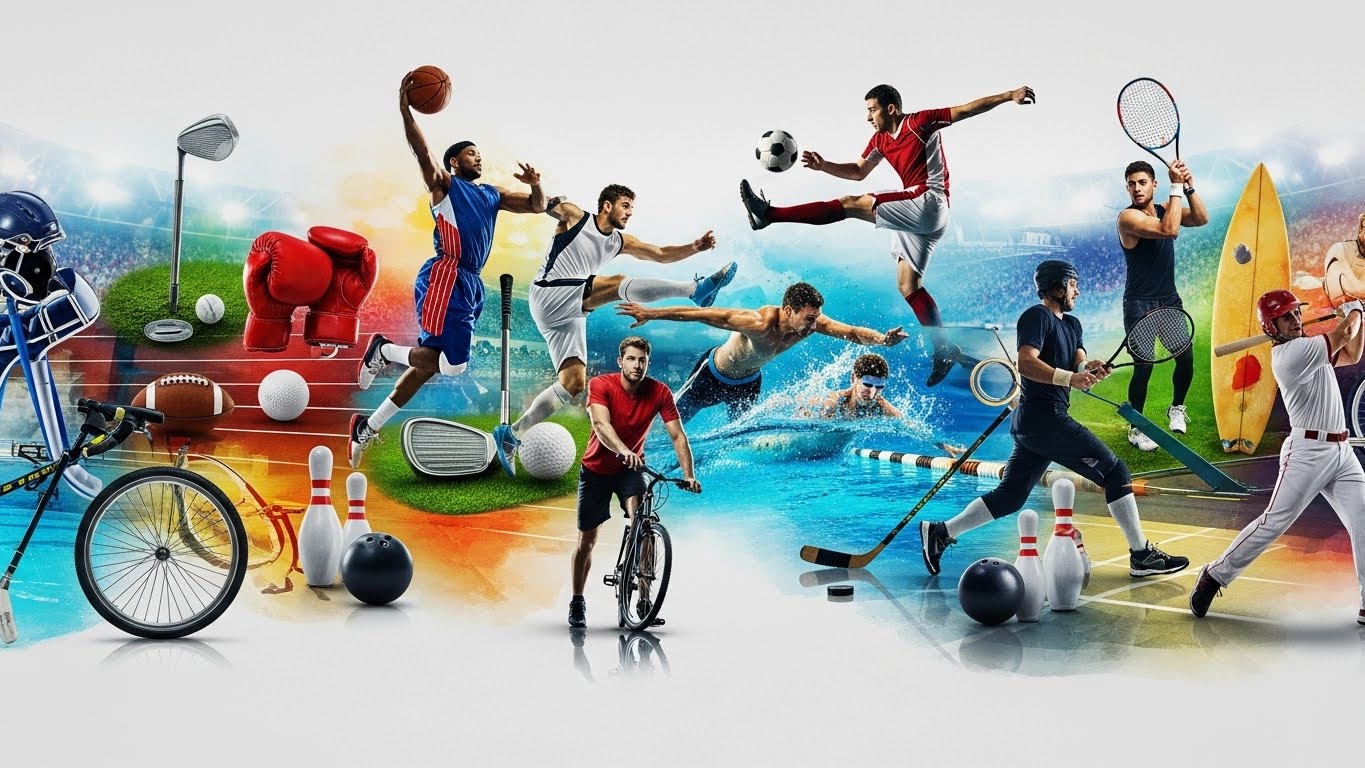

Sports have been a part of human culture for thousands of years. From the earliest forms of organized games and contests in ancient civilizations to the mega-events we celebrate today, the history and evolution of sports is a fascinating journey. In this blog post, we will explore how sports have evolved over time, their cultural significance, and their impact on society today.
The Birth of Organized Sports
The origins of sports can be traced back to ancient civilizations. Early humans engaged in physical contests as a way to demonstrate strength, agility, and prowess. These activities were often tied to religious rituals, military training, and survival skills. The ancient Greeks are credited with formalizing sports into organized events with the creation of the Olympic Games in 776 BCE. The ancient Olympics, held in Olympia, Greece, became a major event that brought together athletes from various Greek city-states to compete in a series of contests, including foot races, wrestling, and chariot racing.
The Olympic Games were not only a celebration of athleticism but also a manifestation of the Greeks’ values of honor, competition, and physical excellence. These values have persisted through the centuries and continue to shape the way we view sports today. The Olympics, although interrupted by historical events like the fall of the Roman Empire and the rise of Christianity, eventually made a comeback in the modern era.
Sports and the Rise of Modern Society
As civilization progressed, so too did the concept of sports. During the medieval period, physical contests became integral to military training and knightly competitions. Jousting, archery, and sword fighting were common forms of sport in Europe. These activities were not only training exercises but also entertainment for the nobility.
However, it was during the Industrial Revolution in the 18th and 19th centuries that sports as we know them today began to take shape. The rise of factories, urbanization, and the development of a middle class created new opportunities for leisure and recreation. People needed an outlet for their energy and a way to socialize, and sports provided just that. Football (soccer), rugby, cricket, and baseball, among others, emerged as organized sports with standardized rules and dedicated leagues.
The development of professional sports leagues, such as Major League Baseball in the United States and the English Premier League in soccer, helped transform sports from a pastime into a global industry. These leagues brought together the best athletes from around the world and paved the way for the rise of international competitions.
The Globalization of Sports
The 20th century witnessed an unprecedented growth in the popularity of sports across the globe. With the advent of television and mass media, sports became a form of entertainment that could be enjoyed by millions of people worldwide. Iconic events like the FIFA World Cup, the Olympic Games, and the Super Bowl became not just national celebrations but global spectacles that united people across different cultures, languages, and backgrounds.
The growth of global sports leagues, such as the NBA, the UEFA Champions League, and Formula 1, further cemented the role of sports in popular culture. These leagues attracted international audiences and transformed athletes into global superstars. The likes of Michael Jordan, Pele, Serena Williams, and Cristiano Ronaldo became household names not just because of their extraordinary athletic skills but also because of the influence sports had on entertainment, marketing, and media.
One of the key factors in the globalization of sports was the increasing accessibility of media. The invention of satellite television, cable networks, and, more recently, online streaming platforms allowed fans from all over the world to watch their favorite teams and athletes in real-time. This access helped cultivate a global fan base and solidified sports as a universal language that transcended national borders.
The Impact of Technology on Sports
Advancements in technology have significantly impacted sports, both in terms of how they are played and how they are consumed. From performance-enhancing equipment to advanced analytics, technology has become a central element of the sports industry.
One of the most notable technological advancements is the use of instant replay and video assistant referees (VAR) in sports. These technologies allow officials to review decisions in real-time, ensuring greater accuracy and fairness. In sports like football, basketball, and tennis, the use of technology has helped improve the integrity of the game, reducing the impact of human error.
On the field, technology has also transformed the way athletes train and perform. Wearable devices that track an athlete’s heart rate, movement, and other physiological metrics have revolutionized sports science. Coaches can now use this data to create personalized training regimens that optimize performance and prevent injuries. In sports like cycling and motorsports, advanced data analytics have become integral to strategy, helping teams make better decisions based on real-time data.
For fans, technology has made it easier than ever to engage with sports. Social media platforms allow fans to follow their favorite athletes and teams, share content, and interact with others. Virtual reality (VR) and augmented reality (AR) are also beginning to play a role in sports experiences, offering fans immersive ways to watch games and interact with their heroes.
The Role of Sports in Society
Beyond entertainment, sports play an important role in shaping society and culture. Sports have the power to unite people, promote social change, and even influence political movements.
In many parts of the world, sports are a source of national pride. Events like the World Cup or the Olympic Games can rally entire countries behind their teams, fostering a sense of community and patriotism. The success of athletes on the international stage can also elevate the status of a nation, bringing attention to its culture and values.
Sports have also been a powerful platform for social change. From the civil rights movement in the United States to the anti-apartheid struggle in South Africa, athletes have used their positions of influence to raise awareness about important social issues. The actions of figures like Muhammad Ali, Jackie Robinson, Colin Kaepernick, and Billie Jean King have inspired generations of people to challenge injustice and fight for equality.
Moreover, sports have played a crucial role in breaking down societal barriers. In many cultures, sports provide opportunities for individuals from marginalized communities to succeed and achieve recognition. Women’s sports, for example, have grown significantly in prominence, with athletes like Serena Williams, Simone Biles, and Megan Rapinoe leading the charge for gender equality in sports.
The Future of Sports
Looking ahead, the future of sports appears to be filled with possibilities. As technology continues to evolve, we can expect even more exciting innovations in how we experience and participate in sports. Virtual and augmented reality could transform the way fans watch games, offering more interactive and immersive experiences.
On the athlete’s side, advancements in biotechnology and genetics may lead to new ways of enhancing performance and preventing injuries. As the science of sports continues to evolve, we could see athletes breaking new records and achieving feats once thought impossible.
Esports, or competitive video gaming, is another growing area that is reshaping the sports landscape. With millions of fans and players around the world, esports has become a multi-billion-dollar industry in its own right, attracting corporate sponsors, media deals, and international competitions. The growing popularity of esports may eventually lead to greater recognition of video gaming as a mainstream sport.
Furthermore, the increasing emphasis on inclusivity and diversity will likely shape the future of sports. Efforts to provide equal opportunities for women, disabled athletes, and underrepresented groups will continue to transform the sports world into a more equitable and accessible space for all.
Conclusion
The evolution of sports has been a journey that reflects changes in society, culture, and technology. From ancient ritualistic games to the global phenomenon of modern sports, the world of athletics has come a long way. Today, sports are more than just games—they are a powerful force that unites people, drives economic activity, and shapes our understanding of identity, culture, and progress.
As we look to the future, the possibilities for sports are limitless. Whether through new technologies, inclusive practices, or the rise of new forms of competition, sports will continue to play a central role in our lives. It’s a testament to the enduring power of human competition, camaraderie, and spirit. And one thing is certain—sports will continue to evolve, captivate, and inspire for generations to come.