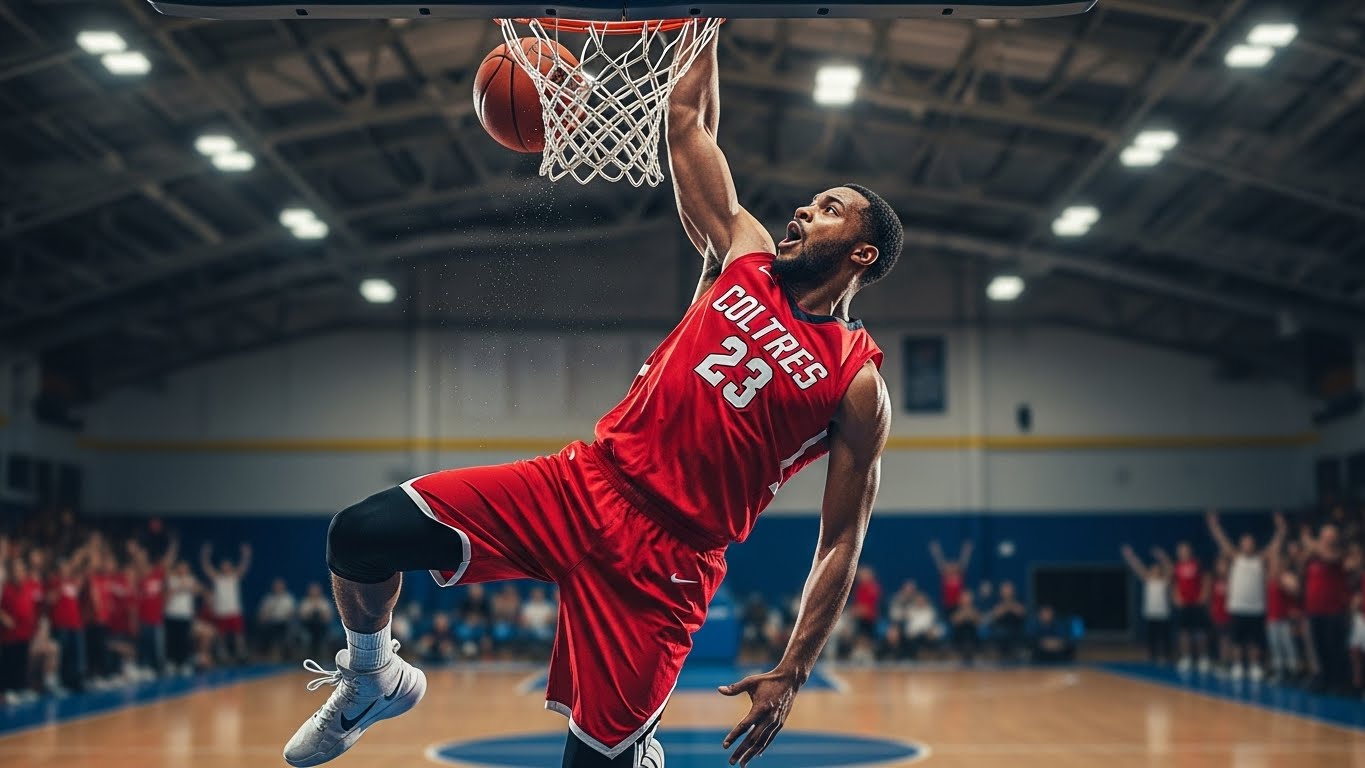
Winning in sports is often perceived as a result of physical talent, rigorous training, and technical skill. While these elements are undeniably important, they only tell part of the story. The mental game—the psychological strategies, attitudes, and thought processes of athletes—plays a critical role in determining who rises to the top and who falls short. Understanding the psychology of winning is not merely about being mentally tough; it is about mastering focus, motivation, emotional regulation, and decision-making under pressure.
Sports psychology, as a discipline, examines these factors to provide athletes with tools to optimize performance, maintain resilience, and achieve consistent success. In this blog, we will explore the various facets of competitive psychology, examining how champions think, act, and respond in high-stakes environments.
Understanding the Mental Edge in Sports
The “mental edge” is the subtle but powerful difference between athletes who succeed under pressure and those who falter. It encompasses confidence, composure, focus, and strategic thinking. While physical training prepares the body, psychological preparation ensures that athletes can execute their skills effectively, especially when stakes are high.
Athletes with a strong mental edge often display the following characteristics: the ability to stay calm under pressure, unwavering self-belief, adaptability in unpredictable situations, and resilience in the face of setbacks. These qualities can be cultivated through deliberate psychological training, mental conditioning, and consistent practice of cognitive strategies.
The Role of Confidence in Competitive Sports
Confidence is perhaps the most essential psychological trait for winning. It is not arrogance or overestimation of ability, but a deep-seated belief in one’s skills and preparation. Confident athletes approach challenges with a positive mindset, trust their training, and are more likely to take calculated risks necessary for success.
Sports psychologists emphasize building confidence through mastery experiences—practicing skills until they become second nature—and through positive reinforcement. Visualization exercises, where athletes mentally rehearse successful performances, further strengthen confidence. By internalizing success in their minds, athletes are better equipped to perform under real-world pressures.
Motivation: Driving Performance Beyond Limits
Motivation is the force that drives athletes to push beyond their comfort zones. It can be intrinsic, arising from personal satisfaction, passion for the sport, and desire for self-improvement, or extrinsic, driven by rewards such as trophies, recognition, or financial incentives. Both forms of motivation are important, but intrinsic motivation tends to sustain long-term commitment and resilience.
Understanding personal motivation allows athletes to channel energy efficiently and maintain focus during repetitive or grueling training sessions. Sports psychologists often help athletes clarify their “why,” connecting their day-to-day effort to overarching goals, creating a sense of purpose that fuels persistence and determination.
Focus and Concentration: The Art of Staying Present
In competitive sports, focus is the ability to concentrate on the task at hand while blocking out distractions. Maintaining attention under pressure is critical; even minor lapses can result in mistakes, lost opportunities, or defeat.
Techniques for improving concentration include pre-performance routines, mindfulness exercises, and mental rehearsal. By creating consistent rituals before competition—such as specific warm-ups, breathing exercises, or visualization—athletes signal to their brains that it is time to engage fully. Mindfulness practice also enhances the ability to stay present, reducing anxiety about past mistakes or future outcomes.
Emotional Regulation and Stress Management
High-stakes competition triggers a range of emotions, from excitement to fear, frustration, and anxiety. The ability to regulate these emotions is essential for winning. Athletes who succumb to stress or negative emotions often experience “choking,” where pressure interferes with automatic skills and decision-making.
Sports psychologists teach techniques such as cognitive reframing, where negative thoughts are restructured into constructive ones, and controlled breathing exercises to manage physiological responses to stress. By mastering emotional regulation, athletes can maintain composure, think clearly, and execute their skills effectively even in the most intense situations.
The Power of Visualization and Mental Rehearsal
Visualization is a cornerstone of mental preparation. It involves creating detailed mental images of successful performance, imagining every movement, decision, and outcome. Research in sports psychology shows that visualization activates the same neural pathways as physical practice, strengthening the mind-body connection and enhancing performance.
Athletes use visualization not only to prepare for success but also to anticipate challenges. For instance, a basketball player might mentally rehearse free throws while imagining crowd noise and fatigue, or a sprinter might visualize a flawless start and acceleration phase. This mental practice builds confidence, improves precision, and reduces performance anxiety.
Goal Setting: Strategic Roadmaps for Success
Winning in competitive sports requires more than raw talent; it demands deliberate planning. Goal setting is a powerful psychological tool that provides direction, motivation, and benchmarks for progress. Effective goals are specific, measurable, achievable, relevant, and time-bound (SMART).
Performance goals focus on personal improvement, such as refining technique or improving speed. Outcome goals focus on competitive results, like winning a championship or qualifying for an event. Sports psychologists guide athletes to balance both, fostering motivation while minimizing anxiety from external expectations. Short-term milestones provide immediate feedback and motivation, while long-term goals maintain a sense of purpose and direction.
Mental Toughness: The Resilience to Overcome Adversity
Mental toughness is a defining trait of champions. It encompasses the ability to remain focused under pressure, recover from setbacks, and persevere through challenges. Mentally tough athletes do not see failure as defeat; they view it as a learning opportunity and a step toward growth.
Developing mental toughness involves exposure to controlled adversity in training, cultivating self-discipline, and practicing coping strategies for stress and fatigue. By learning to thrive in uncomfortable situations, athletes increase their confidence in their ability to succeed under real-world competitive conditions.
Decision-Making and Cognitive Flexibility
Winning often hinges on split-second decisions. Whether it is choosing the right play, adjusting strategy mid-game, or responding to opponents’ tactics, athletes must make effective decisions under pressure. Cognitive flexibility—the ability to adapt thinking and behavior to changing circumstances—is critical for success.
Training decision-making skills involves scenario-based practice, strategic review, and mental rehearsal of multiple possibilities. Athletes learn to anticipate opponents’ moves, weigh options quickly, and act decisively. Developing this mental agility allows competitors to stay one step ahead, turning strategic thinking into a competitive advantage.
The Role of Team Dynamics and Leadership
In team sports, individual psychology intersects with collective dynamics. Team cohesion, trust, and communication are crucial for success. Athletes and coaches work together to build supportive environments, resolve conflicts, and establish shared goals. Leadership within the team—whether from captains or veteran players—can significantly influence motivation, morale, and performance.
Sports psychologists facilitate team-building exercises, foster open communication, and help athletes understand and leverage individual strengths. A psychologically healthy team environment enhances focus, reduces stress, and encourages collective resilience, ultimately improving competitive outcomes.
Coping with Failure and Maintaining Motivation
No athlete wins every competition. How one responds to failure often distinguishes champions from others. Resilience, the ability to recover from setbacks, is cultivated through self-reflection, goal reassessment, and maintaining perspective.
Athletes who view failure as feedback rather than a personal flaw are more likely to stay motivated and continue improving. Journaling, mental reframing, and guided reflection exercises are common tools used by sports psychologists to help athletes learn from defeat without losing confidence or drive.
The Influence of Coaching on Psychological Performance
Coaches play a pivotal role in shaping the psychological framework of athletes. Positive coaching practices—constructive feedback, encouragement, and strategic guidance—foster confidence and motivation. Negative approaches, such as excessive criticism or unrealistic expectations, can undermine performance and mental well-being.
Integrating psychological principles into coaching enables athletes to develop not just physically, but mentally. By understanding the cognitive and emotional needs of athletes, coaches help optimize performance and cultivate resilience, focus, and strategic thinking.
Mindfulness and Meditation in Competitive Sports
Mindfulness and meditation practices have gained traction among athletes for their ability to enhance concentration, emotional regulation, and mental clarity. These practices train the mind to remain present, reducing the impact of anxiety and distraction.
Even brief daily meditation sessions can improve performance, reduce stress, and support recovery. Many elite athletes integrate mindfulness into their training routines, reporting better focus during competition, improved decision-making, and greater overall well-being.
Case Studies: Champions and the Psychology of Winning
Historical and contemporary athletes provide vivid examples of the power of sports psychology. Michael Jordan’s unyielding confidence and competitive drive, Serena Williams’ focus and resilience under pressure, and Simone Biles’ use of mindfulness and mental rehearsal showcase the practical application of psychological principles.
Analyzing these champions reveals patterns of mental preparation, emotional regulation, and adaptive thinking that contribute to consistent success. These case studies reinforce the idea that winning is as much about mental strategy as it is about physical skill.
The Future of Sports Psychology
The field of sports psychology is evolving rapidly with advancements in neuroscience, wearable technology, and data analytics. Biometric monitoring and AI-assisted performance tracking provide insights into stress levels, cognitive load, and recovery, allowing personalized mental training programs.
As awareness of mental health in sports grows, integrating psychological training into all levels of competition becomes increasingly critical. The future promises a holistic approach where mental preparation, physical conditioning, and strategic analysis converge to maximize performance.
Conclusion: Winning Begins in the Mind
Winning in competitive sports is not merely a product of talent or training; it is the result of psychological mastery. Athletes who understand the mental aspects of performance—confidence, focus, motivation, emotional regulation, and decision-making—gain a critical edge.
The psychology of winning teaches that resilience, strategic thinking, and mental toughness are just as important as physical ability. Champions are not only physically skilled; they are mentally prepared, able to navigate pressure, and capable of turning challenges into opportunities. By prioritizing the mental game, athletes unlock the full potential of their performance, proving that winning truly begins in the mind.